There's a guinea pig in hospital that's been a regular visitor. Apparently her owner loves her too much, and continues to feed her a mountain of fruit and vegetables despite repeated emphasis on the fact that guinea pigs require a large amount of roughage in their diet, a fact supported by the multiple nearly $1000 hospital bills. So once again, the guinea pig has been hospitalised, diagnosed, and put on meds. The upside to this is there's a guinea pig in hospital.
My reaction went something like this: Walks through ICU doors. "...going for ultrasound later todaaaaoooooohhh guinea pig!"
My excitement resulted in the intern handing me the guinea pig to hold for a while, which I was quite happy to do. She's a brown, smooth-coated piggie with an adorable Spanish name. The intern immediately walked away to do something, and other people entered the ICU and had a similar reaction to myself (including a clinician). Unfortunately, since I was holding the guinea pig, I started getting asked questions about the history and treatments. Of course, I had no clue, so I quickly found the intern and gave the guinea pig back.
That night I was on evening treatments, so I made a beeline to the ICU so I could be the one to do the guinea pig. It involved basically the same thing as any other animal, but tiny version. The heart rate was a bazillion beats per minute and their little bums are teeny tiny for trying to take a temperature. The other thing I had to do, since she was admitted for gastrointestinal hypomotility (I think), was count all the poops to make sure she was producing an adequate number per hour. So I stood there gathering all the guinea pig poops out of the cage and then counting them one by one. There were fifty, in case you were wondering.
Showing posts with label Unusual Animals. Show all posts
Showing posts with label Unusual Animals. Show all posts
Wednesday, 10 September 2014

Friday, 8 August 2014
Turtle Lamp
You might be wondering how surgeons get inside the turtle. It turns out that one of the methods is to make an incision in the soft area in front of their back legs (or front, depending on what you want to do). Then they can stick an endoscope in, with a light source and a camera on it, and use tiny instruments with long handles. The best part is that the light makes the internal cavity of the turtle glow, and you can see it through the shell on their belly!
I can't find any good photos on google, so I'm going to show you the ones I took. I'm not sure if we're allowed to do that, so uh, don't tell the school on me please.

Intubated and with an IV catheter in her jugular.

The reason the turtle looks so yellow is because there's a sticky sterile covering with iodine in it, called Ioban.

If you look carefully, you can see how bright the pink inside of the turtle is because of the light from the endoscope.
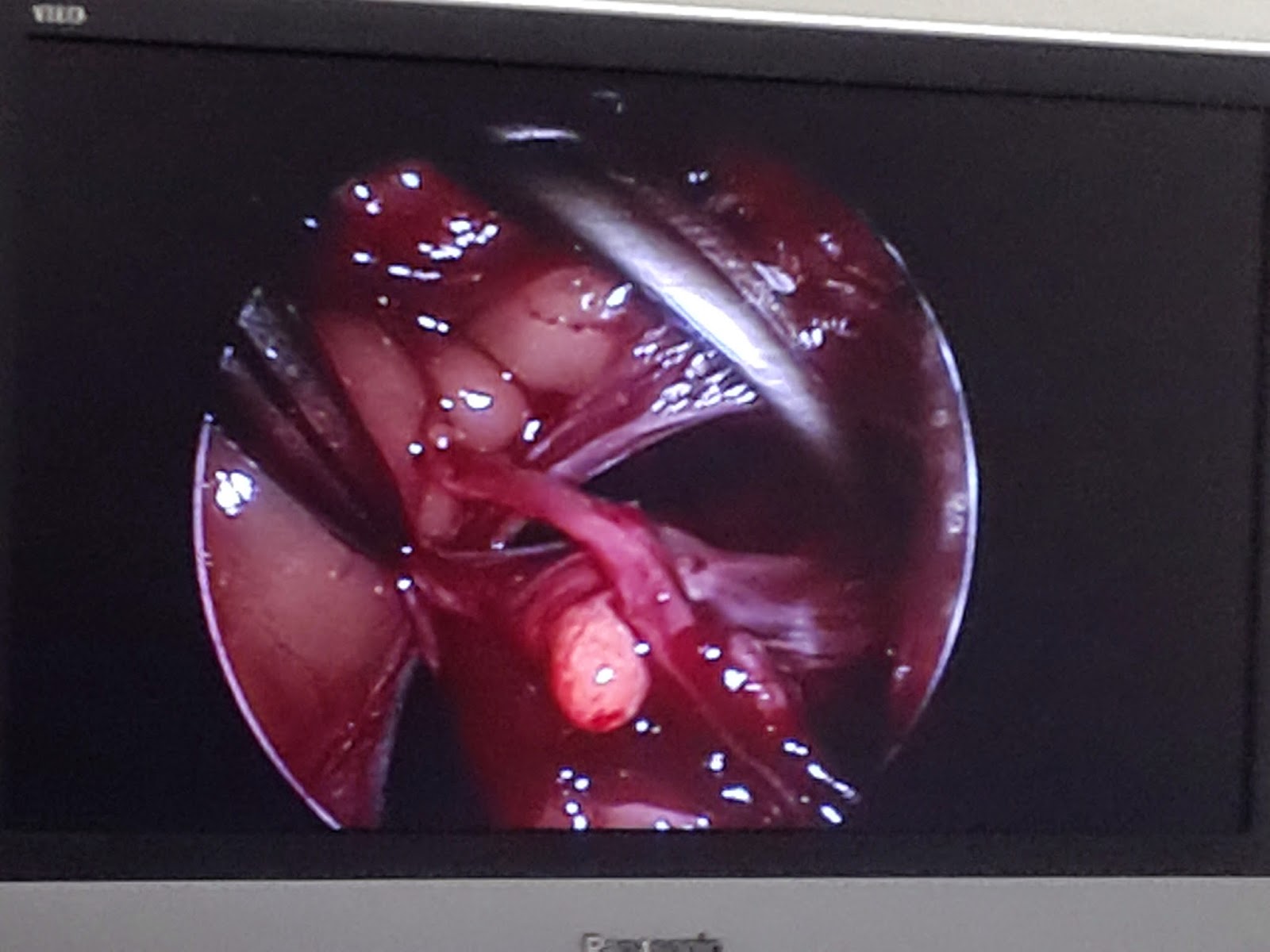
The screen showing the instruments and tissues on the endoscope.
Why was this turtle having surgery? The short and simple version is that it had egg impaction. And how did they definitively diagnose that? A CT scan. In case you were wondering, here's a picture from google of a turtle CT scan:

Thursday, 7 August 2014
We Killed A Dinosaur
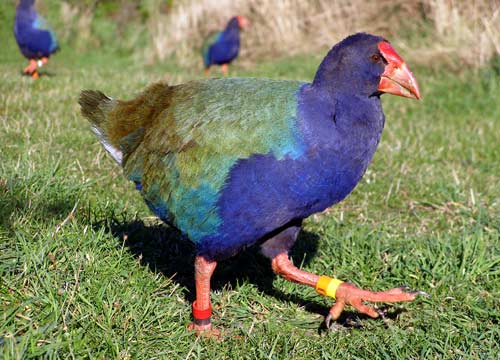
Wildlife medicine in New Zealand is somewhat unique. There are a lot of critters here that don't exist anywhere else, and, conversely, things that aren't here that are everywhere else. During my time on wildbase, I sadly never got to see a snake or ferret. But I did get to see lots of super endangered native creatures, such as takahe. There's like 260 of them left.

And tuatara, which are basically dinosaurs, and the star of today's blog post.

They're basically prehistoric. They're so primitive, they're their own order. I know they look like lizards, but they're closer to dinosaurs. According to wikipedia, "The two species of tuatara are the only surviving members of their order, which flourished around 200 million years ago."
One of them came to the hospital with a diseased eye. It had probably been traumatised (eg poked it into a stick or something) and was now blind, or at least that's my understanding. All their heroic efforts to treat it medically had failed, so it came down to surgery. The first eye enucleation surgery to ever be performed in a tuatara.
The interesting thing about wildlife and exotic medicine is that there isn't a whole mountain of literature for every single species. You might be the second person ever to anaesthetise a giraffe with that combination of drugs, so all you have to go on is one twenty-year old case report and extrapolation from other species. Unfortunately that's not as easy as it sounds, because drugs can have dramatically different effects as species have small differences in enzymes or receptors or whatever. For instance, cats are massively different to dogs in some areas, and we have lots of research about those species. You can imagine how often we diagnose and treat the same disease in, say, a tiger. Now imagine how likely you are to find anything published about a species that numbers in the thousands.
The other fun thing about tuatara surgery is that reptiles are ridiculous animals. The way it was explained to me is that everything in birds happens super fast, they can turn on a dime, and everything that happens in reptiles happens super slow. If a reptile emergency comes in, the first thing you should do is put on the kettle, so you can have a think about it over your tea. Any changes in their health tend to take a long time to manifest. That is important information for this story.
We went ahead with the surgery, which was all quite exciting. It was especially exciting for anaesthesia, who were very stressed out. I don't remember the details because I wasn't on anaesthesia then, but things like heart rate and respiratory rate were apparently quite distressing. So while anaesthesia was freaking out, the wildlife clinician was calmly shrugging it off, with the explanation that some crocodillians can have heart rates as low as one beat per minute. Turtle hearts can keep beating for 24 hours after death (as in, when you open them up at necropsy, you can find their heart beating in front of you... even if you take it out, apparently). Basically, it's impossible to tell if they're dead or alive while under anaesthesia, so he decided not to worry about it. (It fits the theme of not being able to tell if animals are alive while on wildlife roster).
The surgery went along just fine. They packed the empty eye socket with some mini absorbable sponge thingies and sutured it all up. They made it a little bandage that made it look like a pirate. I have an adorable picture, but I doubt I'm supposed to share it on the internet (it might get picked up by google images or something and be stuck there forever when people search about tuatara, and then I think the university might get a teeny bit mad at me).
Details aside, things were fine and dandy that night and into the next morning. During the day, however, the tuatara slowed down, and in grand reptile fashion, we began to question whether it was alive or not. The clinicians broke out more heroics and it went under intensive care for most of the afternoon. Interestingly, since tuatara are in their own order, you need another tuatara if you want to do a blood transfusion... and there's not too many of them around, as you can imagine.
We had the little guy on oxygen, breathing for him, and all sorts of monitoring. He got drugs and fluids and blood products and heating pads and everything we could think of. Unfortunately the monitoring equipment isn't exactly built for tuatara, so the accuracy was questionable, making it even harder to tell anything about the heart or whatever. The heart rate went down and he wouldn't breathe for himself. We did what we could, and gave it a few hours for good measure. He had gone very pale. Surprisingly, we still couldn't figure out if he was actually dead, so we stopped breathing for him and let the chips fall as they may. We put him back in the incubator for the night, just to be sure. The next morinng he hadn't moved any, so we were getting pretty confident we'd lost him.
Too bad for the world's first enucleation on a tuatara. The upside of taking two days to die is that we'd all kind of... accepted it. By the time we gave up on him, I had plenty of time to prepare myself emotionally so I wasn't particularly upset. If he'd given up the ghost in the middle of surgery or something, that would have been more difficult to deal with.
And tuatara, which are basically dinosaurs, and the star of today's blog post.

They're basically prehistoric. They're so primitive, they're their own order. I know they look like lizards, but they're closer to dinosaurs. According to wikipedia, "The two species of tuatara are the only surviving members of their order, which flourished around 200 million years ago."
One of them came to the hospital with a diseased eye. It had probably been traumatised (eg poked it into a stick or something) and was now blind, or at least that's my understanding. All their heroic efforts to treat it medically had failed, so it came down to surgery. The first eye enucleation surgery to ever be performed in a tuatara.
The interesting thing about wildlife and exotic medicine is that there isn't a whole mountain of literature for every single species. You might be the second person ever to anaesthetise a giraffe with that combination of drugs, so all you have to go on is one twenty-year old case report and extrapolation from other species. Unfortunately that's not as easy as it sounds, because drugs can have dramatically different effects as species have small differences in enzymes or receptors or whatever. For instance, cats are massively different to dogs in some areas, and we have lots of research about those species. You can imagine how often we diagnose and treat the same disease in, say, a tiger. Now imagine how likely you are to find anything published about a species that numbers in the thousands.
The other fun thing about tuatara surgery is that reptiles are ridiculous animals. The way it was explained to me is that everything in birds happens super fast, they can turn on a dime, and everything that happens in reptiles happens super slow. If a reptile emergency comes in, the first thing you should do is put on the kettle, so you can have a think about it over your tea. Any changes in their health tend to take a long time to manifest. That is important information for this story.
We went ahead with the surgery, which was all quite exciting. It was especially exciting for anaesthesia, who were very stressed out. I don't remember the details because I wasn't on anaesthesia then, but things like heart rate and respiratory rate were apparently quite distressing. So while anaesthesia was freaking out, the wildlife clinician was calmly shrugging it off, with the explanation that some crocodillians can have heart rates as low as one beat per minute. Turtle hearts can keep beating for 24 hours after death (as in, when you open them up at necropsy, you can find their heart beating in front of you... even if you take it out, apparently). Basically, it's impossible to tell if they're dead or alive while under anaesthesia, so he decided not to worry about it. (It fits the theme of not being able to tell if animals are alive while on wildlife roster).
The surgery went along just fine. They packed the empty eye socket with some mini absorbable sponge thingies and sutured it all up. They made it a little bandage that made it look like a pirate. I have an adorable picture, but I doubt I'm supposed to share it on the internet (it might get picked up by google images or something and be stuck there forever when people search about tuatara, and then I think the university might get a teeny bit mad at me).
Details aside, things were fine and dandy that night and into the next morning. During the day, however, the tuatara slowed down, and in grand reptile fashion, we began to question whether it was alive or not. The clinicians broke out more heroics and it went under intensive care for most of the afternoon. Interestingly, since tuatara are in their own order, you need another tuatara if you want to do a blood transfusion... and there's not too many of them around, as you can imagine.
We had the little guy on oxygen, breathing for him, and all sorts of monitoring. He got drugs and fluids and blood products and heating pads and everything we could think of. Unfortunately the monitoring equipment isn't exactly built for tuatara, so the accuracy was questionable, making it even harder to tell anything about the heart or whatever. The heart rate went down and he wouldn't breathe for himself. We did what we could, and gave it a few hours for good measure. He had gone very pale. Surprisingly, we still couldn't figure out if he was actually dead, so we stopped breathing for him and let the chips fall as they may. We put him back in the incubator for the night, just to be sure. The next morinng he hadn't moved any, so we were getting pretty confident we'd lost him.
Too bad for the world's first enucleation on a tuatara. The upside of taking two days to die is that we'd all kind of... accepted it. By the time we gave up on him, I had plenty of time to prepare myself emotionally so I wasn't particularly upset. If he'd given up the ghost in the middle of surgery or something, that would have been more difficult to deal with.
Monday, 4 August 2014
Phew, He's Breathing / Classic Vet Student Moment
A very sick little blue penguin was brought to the hospital. It wasn't doing well, so it went straight into what's basically the ICU "tank" in the wildlife ward, a clear incubator/oxygen cage thingy.

When I came back from lunch, the poor guy looked awfully still. I watched him for a moment, then had a mini panic attack when I couldn't see him breathing.
Deeply concerned, I peered into the tank and watched him for a good minute. Uh oh, did he stop breathing? Do we need to start CPR? Then, much to my relief, I thought I saw some chest movement. Phew! He's breathing.
The clinician came out of the ward a moment later and said, "The little blue penguin died while you were at lunch, by the way."

When I came back from lunch, the poor guy looked awfully still. I watched him for a moment, then had a mini panic attack when I couldn't see him breathing.
Deeply concerned, I peered into the tank and watched him for a good minute. Uh oh, did he stop breathing? Do we need to start CPR? Then, much to my relief, I thought I saw some chest movement. Phew! He's breathing.
The clinician came out of the ward a moment later and said, "The little blue penguin died while you were at lunch, by the way."
Friday, 18 July 2014
I Promise I Work in a Real Hospital
A sick rabbit came in today for not eating. We took some radiographs and figured out that it had intestines full of hair balls (trichobezoars). It got sent home with instructions to feed it pineapple juice.
PS: This may be an oversimplification for dramatic effect. We gave it metoclopramide and critical care diet mix, too.
PPS: The reason this is tagged for "neat facts" is that this is a common problem in rabbits and pineapple juice is a commonly suggested aspect of treatment. Apparently it's best if you blend the whole pineapple, since there's a lot of fibre in the core.
PS: This may be an oversimplification for dramatic effect. We gave it metoclopramide and critical care diet mix, too.
PPS: The reason this is tagged for "neat facts" is that this is a common problem in rabbits and pineapple juice is a commonly suggested aspect of treatment. Apparently it's best if you blend the whole pineapple, since there's a lot of fibre in the core.
Thursday, 10 April 2014
I Got to Go Out With the Coast Guard
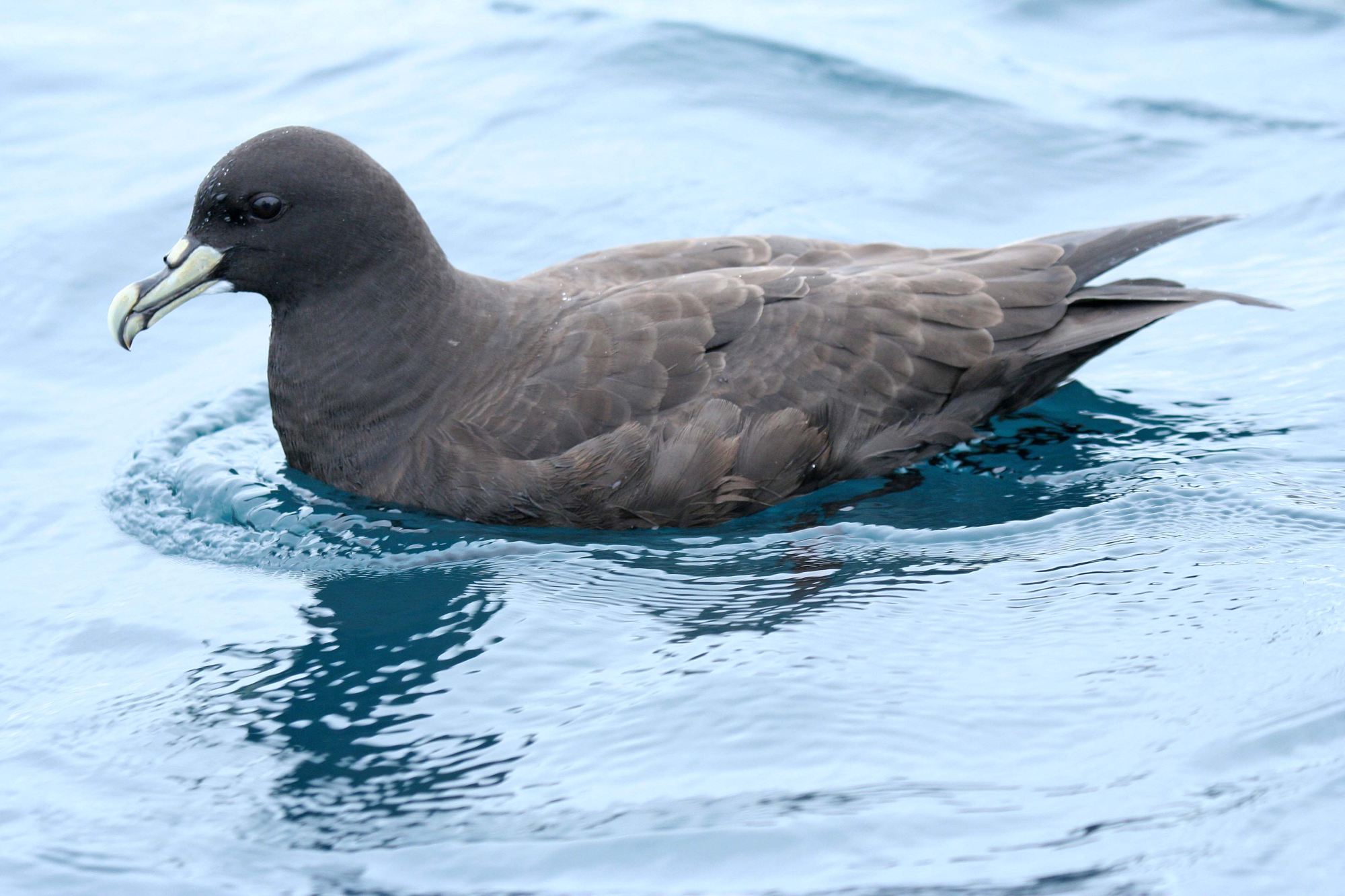
Wildbase had a giant petrel in hospital for a few days, and with those giant seabirds it's quite important to get them back into the wild asap. More than a few days in hospital can end up causing a downhill turn. In this case the patient had been found on a beach, which means it must have been pretty sick, but as tends to happen in these cases, a particular cause wasn't identified. It was nursed and given lots to eat, and a big factor is restoring the waterproofing of their feathers.
After a few days, it was time for him to go home, which meant a trip out to the coast!
A forty minute drive to the coast later, with the petrel in a dog cage in the back, covered by a towel, we met the two guys at the little dock with their little boat. We climbed on in, and it was suggested to me that I not sit in the back, because I might "get a little wet." Instead, we stood in the cabin area, where there were back supports instead of seats. These made sense once we got going: after clearing the small bay, we took off.

It was super windy that day, and along with it came massive waves. And I mean several meters high. We'd go up one, fly off the crest into the air, freefall, and slam back down onto the water. Then up the next one, into the air, and down again. Fssssh-woooosh-POW. That's my impression of it.
Though somewhat terrifying, that part was pretty fun and not particularly nauseating. The difficult part was when we got far enough out (several kilometers, I forget the exact number), and came to a stop. The wildbase person I was with brought the bird out of his cage and put him over the side. Freedom! We waited to see what he did--would he paddle and drink and flap his wings like a normal bird? The answer was yes, he looked very happy and healthy! He quickly drifted away from us, exhibiting all the normal behaviours, and we watched him for a long time.

After a few days, it was time for him to go home, which meant a trip out to the coast!
A forty minute drive to the coast later, with the petrel in a dog cage in the back, covered by a towel, we met the two guys at the little dock with their little boat. We climbed on in, and it was suggested to me that I not sit in the back, because I might "get a little wet." Instead, we stood in the cabin area, where there were back supports instead of seats. These made sense once we got going: after clearing the small bay, we took off.

It was super windy that day, and along with it came massive waves. And I mean several meters high. We'd go up one, fly off the crest into the air, freefall, and slam back down onto the water. Then up the next one, into the air, and down again. Fssssh-woooosh-POW. That's my impression of it.
Though somewhat terrifying, that part was pretty fun and not particularly nauseating. The difficult part was when we got far enough out (several kilometers, I forget the exact number), and came to a stop. The wildbase person I was with brought the bird out of his cage and put him over the side. Freedom! We waited to see what he did--would he paddle and drink and flap his wings like a normal bird? The answer was yes, he looked very happy and healthy! He quickly drifted away from us, exhibiting all the normal behaviours, and we watched him for a long time.
This turned out to be less fun than expected, because those waves were still massively high, and instead of rocketing over them, we were just sitting there, waving steeply back and forth. The wildbase lady described it later as, "I was telling myself, 'just focus on the bird, focus on the bird,' trying not to puke." Getting back to solid ground was quite a relief.
Monday, 7 April 2014
Turtles and Geckos and Kiwis, Oh My
Day 1 on wildbase was a busy swarm of awesome. The wildlife ward is this tiny room tucked in between the treatment room and the dog kennels in the small animal hospital, which you walk by multiple times a day without ever really noticing. It turns out that just inside, there's a little mini clinic. There's one main room that includes a central surgery area (the whole place isn't much bigger than a dorm room), and then a doorway into the mini wards. There's a large room for a big animal, and another room packed with various sized cages. Five weeks in the smallies hospital, and I never realised there were a bazillion bird patients hanging out right there. Today, there were close to 20 inpatients.
The day started with a bang and never slowed down. On account of being a monday, after a brief tour, I got thrown into the whirlwind of getting food and meds to all 20-odd patients, with only the most basic experience to go on. After cutting up fruits, veggies, and almonds, my first animal-related task was to hold a kiwi while the vet tech force fed it. That's right, a kiwi.

Mondays are apparently particularly hectic because they have rounds on mondays and thursdays. Treatments had to be finished by nine, and then all the wildlife staff (less than ten people) gathered around the tiny clinic to go over the history, diagnostic findings, and treatments for all the patients. There are a number of birds with wing or leg fractures that got surgery, with pins and external fixators and the whole kit and kaboodle. There are a few skinny birds that have been losing weight, a few odds and sods like strange skin lesions or neuro. One bird is in for diagnostics to confirm diabetes insipidus. At the other location, near the large animal teaching unit, there are purportedly three penguins and a few other big birds, but I didn't get out there today. One of the patients is an endangered New Zealand bird, and there are only around 400 left in the world.
After rounds, we had radiology booked for the morning, as we had three birds to radiograph. A harrier, a kingfisher, and some sort of pigeon. Wildbase is great because they have students every week and plunge you right into it. Almost right away, I was positioning the animals, holding, taking blood, making blood smears (badly), running PCV/TP, palpating lesions, all sorts of stuff.

After lunch, there were two consults. One was a sulfur crested cockatoo who we admitted for a whole slew of diagnostics, including bloodwork and skin scrapes. The other, however, made my day. It was a pet turtle with conjunctivitis, secondary to vitamin A deficiency (quite a common deficiency in exotic pets). So we did an ophthalmic exam on this turtle. I got to hold it while we examined and treated this turtle, and turtles are exactly as cute and awesome as you'd expect them to be (as long as you don't get bitten). Its little legs waggled around as I sandwiched it between my palms.

After the consults, it was time for the gecko surgery. Yeah, gecko surgery. It had a mass on its neck that was removed. Anaesthetists joined us to manage the anaesthesia, and the whole process of induction and intubation was quite an undertaking. The gecko was on a mask, and when it was asleep enough to lose its "righting reflex" when flipped over, they tried to get the endotracheal tube in. However, the gas anaesthetic diffuses out of the lungs pretty quickly, so there was a limited amount of time for each attempt. Because of the unusual anatomy, it took many attempts.
Despite all that, overall, the procedure wasn't much different than it would be for any other animal. The concerns about respiration and blood pressure are basically the same, it's just a tiny-sized animal. Surgical technique is the same. Suturing is the same, it's just scaly reptilian skin instead. Though, there are a lot of quirks to bear in mind as well. For instance, turtles' lungs are attached to the dorsal carapace, so if you need to ventilate them, you can flap their legs back and forth, and it actually works the lungs!
I also learned that the bottoms of geckos' feet are really, really cool. Not only do they look neat, they feel pretty neat, too.

The day started with a bang and never slowed down. On account of being a monday, after a brief tour, I got thrown into the whirlwind of getting food and meds to all 20-odd patients, with only the most basic experience to go on. After cutting up fruits, veggies, and almonds, my first animal-related task was to hold a kiwi while the vet tech force fed it. That's right, a kiwi.
One of the patients is a Kaka.
Mondays are apparently particularly hectic because they have rounds on mondays and thursdays. Treatments had to be finished by nine, and then all the wildlife staff (less than ten people) gathered around the tiny clinic to go over the history, diagnostic findings, and treatments for all the patients. There are a number of birds with wing or leg fractures that got surgery, with pins and external fixators and the whole kit and kaboodle. There are a few skinny birds that have been losing weight, a few odds and sods like strange skin lesions or neuro. One bird is in for diagnostics to confirm diabetes insipidus. At the other location, near the large animal teaching unit, there are purportedly three penguins and a few other big birds, but I didn't get out there today. One of the patients is an endangered New Zealand bird, and there are only around 400 left in the world.
After rounds, we had radiology booked for the morning, as we had three birds to radiograph. A harrier, a kingfisher, and some sort of pigeon. Wildbase is great because they have students every week and plunge you right into it. Almost right away, I was positioning the animals, holding, taking blood, making blood smears (badly), running PCV/TP, palpating lesions, all sorts of stuff.
A harrier.
After lunch, there were two consults. One was a sulfur crested cockatoo who we admitted for a whole slew of diagnostics, including bloodwork and skin scrapes. The other, however, made my day. It was a pet turtle with conjunctivitis, secondary to vitamin A deficiency (quite a common deficiency in exotic pets). So we did an ophthalmic exam on this turtle. I got to hold it while we examined and treated this turtle, and turtles are exactly as cute and awesome as you'd expect them to be (as long as you don't get bitten). Its little legs waggled around as I sandwiched it between my palms.
Ours was larger, but looked basically the same.
After the consults, it was time for the gecko surgery. Yeah, gecko surgery. It had a mass on its neck that was removed. Anaesthetists joined us to manage the anaesthesia, and the whole process of induction and intubation was quite an undertaking. The gecko was on a mask, and when it was asleep enough to lose its "righting reflex" when flipped over, they tried to get the endotracheal tube in. However, the gas anaesthetic diffuses out of the lungs pretty quickly, so there was a limited amount of time for each attempt. Because of the unusual anatomy, it took many attempts.
Despite all that, overall, the procedure wasn't much different than it would be for any other animal. The concerns about respiration and blood pressure are basically the same, it's just a tiny-sized animal. Surgical technique is the same. Suturing is the same, it's just scaly reptilian skin instead. Though, there are a lot of quirks to bear in mind as well. For instance, turtles' lungs are attached to the dorsal carapace, so if you need to ventilate them, you can flap their legs back and forth, and it actually works the lungs!
I also learned that the bottoms of geckos' feet are really, really cool. Not only do they look neat, they feel pretty neat, too.
More surgeries and radiographs and anaesthetics on the schedule for tomorrow, with all sorts of native New Zealand birds. Should be pretty exciting!
Friday, 17 January 2014
Immovable Object vs Vet Student
My current patient is a British Bulldog named Rosie, a very solid, snortle-y, smooshed-face genetic mess with a bizarre corkscrew tail, misaligned teeth, and patches of hair loss from a skin disease. She's smelly, has grungy skin folds, and makes a constant stream of noise just by breathing.
She also likes to lie, sit, or simply stand and stare into space. I had to take her for a walk this morning.
First, we made some slow progress out of the ward and into the hallway, with her waddling along in a rather funny gait that could be because she doesn't understand how to use a leg with an IV catheter in it, or because she just walks funny. The unfortunate part of taking dogs for walks is that to get to the fenced-off grass, you have to go past the dog runs for the large dogs. For some reason they are also the barkiest. Earlier in the morning, you could hear a chorus of howling from at least three different dogs, like the song in Lady and the Tramp. I guess one had started and the others all jumped on the bandwagon.
Rosie, I think, is very afraid of giant noisy dogs. The reason I say "I think" is that because when we reached them, she stopped moving. There was no obvious expression of fear, but it's possible that between her flat wrinkly face and short melded-into-her-butt tail, she may be incapable of any expressions at all. But she wouldn't move.
She's too small to push or herd, but too heavy to really carry. Also I was on one side of the threshold, keeping the door open, while she sat firmly on the other side. The icing on the cake is that flat-faced dogs tend to have collapsing tracheas, so I really didn't want to tug much on her leash or collar, in case I strangled her. So I spent at least 5 minutes alternating between trying to bait her forward with an excited voice, and shoving her butt or placing one paw in front of the other. I finally got her onto the other side of the doorway and closed it behind her. After a moment of delayed reaction, she scurried past the big scary dogs and made a beeline for the gate outside.
The return journey wasn't any easier. As soon as we reached the gauntlet of barking dogs, she actively pulled back and refused to continue. I repeated my efforts of pushing and pulling, to even less effect. Eventually, I put my arms around her and scooped her up, her stubby little legs flapping about in the air, and hauled her the five steps to the doorway before plonking her back down.
Then I had to do it all again in the afternoon.
She also likes to lie, sit, or simply stand and stare into space. I had to take her for a walk this morning.
First, we made some slow progress out of the ward and into the hallway, with her waddling along in a rather funny gait that could be because she doesn't understand how to use a leg with an IV catheter in it, or because she just walks funny. The unfortunate part of taking dogs for walks is that to get to the fenced-off grass, you have to go past the dog runs for the large dogs. For some reason they are also the barkiest. Earlier in the morning, you could hear a chorus of howling from at least three different dogs, like the song in Lady and the Tramp. I guess one had started and the others all jumped on the bandwagon.
Rosie, I think, is very afraid of giant noisy dogs. The reason I say "I think" is that because when we reached them, she stopped moving. There was no obvious expression of fear, but it's possible that between her flat wrinkly face and short melded-into-her-butt tail, she may be incapable of any expressions at all. But she wouldn't move.
She's too small to push or herd, but too heavy to really carry. Also I was on one side of the threshold, keeping the door open, while she sat firmly on the other side. The icing on the cake is that flat-faced dogs tend to have collapsing tracheas, so I really didn't want to tug much on her leash or collar, in case I strangled her. So I spent at least 5 minutes alternating between trying to bait her forward with an excited voice, and shoving her butt or placing one paw in front of the other. I finally got her onto the other side of the doorway and closed it behind her. After a moment of delayed reaction, she scurried past the big scary dogs and made a beeline for the gate outside.
The return journey wasn't any easier. As soon as we reached the gauntlet of barking dogs, she actively pulled back and refused to continue. I repeated my efforts of pushing and pulling, to even less effect. Eventually, I put my arms around her and scooped her up, her stubby little legs flapping about in the air, and hauled her the five steps to the doorway before plonking her back down.
Then I had to do it all again in the afternoon.
Sunday, 30 September 2012
There's Something Fishy About This Lab
A week or two ago, we had a fish handling lab.
Did you know that people anaesthetise fish? Fish are sedated before they are killed commercially, but people also have valuable pet fish or display fish (like in an aquarium) that sometimes get sick and need veterinary care. There are a number of basic diagnostic techniques for investigating what could be wrong with a sick fish, and medicine or even surgery can be used to treat them.
Fish anaesthesia is surprisingly like mammalian anaesthesia. For a dog, the anaesthetic is vaporised and they breathe it in through their lungs via the anaesthetic machine. For a fish, it's basically the same: the drug is dissolved in the water rather than the air, and they "breathe" it in through their gills. If a dog is too deep, you give it pure oxygen to breathe for a while; for a fish, you put them into fresh water to breathe for a while.
Unfortunately for me, I managed to pick crappy fish for my partner and myself. They would not go to sleep. As they get more sedated, they lose their balance reflexes (float sideways and stuff), but it can freak them out a little as they go down. So one would have a panic attack, and that would wake up the other one, which was just drifting off. Then the first one would calm down, but the second one got a fright. The professor came by to increase the dose three times after the first lot! We spent at least half of our lab time staring into the bucket waiting for them to be deep enough to work with. It didn't help that we kept thinking they were fine, picking them up, and then they would flop around and wake up and we'd have to put them back. As an aside, the anaesthetic we were using is derived from clove oil, so the lab smelled like a strange combination of live fish and cloves.
Once they were asleep, we could take them out and do things to them. They survive in the air because their metabolism and respiration is slowed down so much under anaesthesia. Normally you have to keep them really wet to protect their skin, however. Our lab was designed to be a non-recovery lab, using fish at the end of their lives and such, so we didn't worry about that.
First thing we did was take blood. There's a vein in their tail, right in front of the fin, and we spent almost the entire rest of our lab time trying to stab it. If the needle goes through a scale on the way in, you plug up the thing with keratin and have to get a new needle. Little fish have little veins and not a lot of blood, so it was a pretty frustrating endeavour. The other site I tried was the dorsal aorta, which sounds really scary: you stick the needle into the back of their mouths, and that's apparently right where the aorta comes off the heart. I blindly stuck mine in and actually got an entire drop of blood right off the bat, but everyone else I talked to had a much harder time with that one.
Another thing we did was skin scrapes, which is apparently quite useful as fish can get protozoal infections, and if you put the mucus on a slide, you can see the protozoa move around. Our fish were not so interesting.
The last thing we did with the live fish was a gill biopsy. If you don't know anything about fish physiology, I have to tell you, gills are cool. They look cool, they are designed cool, they are just cool. You can also snip off a tiny piece with scissors, put it on a slide, and have a look for disease or degeneration that might be making the fish sick (it would be like people having a lung problem). Electron micrograph photo:

The last thing we did was euthanise the fish and do a post mortem. My partner and I had basically no time to do this, so we only had a quick look before lab ended. They have inflated swim bladders next to the kidney, that was the neatest thing, like a little balloon inside their body cavity. They have teeny tiny little spleens, massive massive ovaries filled with eggs, a simple two chambered heart, and skinny twisty intestines. From google:

Did you know that people anaesthetise fish? Fish are sedated before they are killed commercially, but people also have valuable pet fish or display fish (like in an aquarium) that sometimes get sick and need veterinary care. There are a number of basic diagnostic techniques for investigating what could be wrong with a sick fish, and medicine or even surgery can be used to treat them.
Fish anaesthesia is surprisingly like mammalian anaesthesia. For a dog, the anaesthetic is vaporised and they breathe it in through their lungs via the anaesthetic machine. For a fish, it's basically the same: the drug is dissolved in the water rather than the air, and they "breathe" it in through their gills. If a dog is too deep, you give it pure oxygen to breathe for a while; for a fish, you put them into fresh water to breathe for a while.
Unfortunately for me, I managed to pick crappy fish for my partner and myself. They would not go to sleep. As they get more sedated, they lose their balance reflexes (float sideways and stuff), but it can freak them out a little as they go down. So one would have a panic attack, and that would wake up the other one, which was just drifting off. Then the first one would calm down, but the second one got a fright. The professor came by to increase the dose three times after the first lot! We spent at least half of our lab time staring into the bucket waiting for them to be deep enough to work with. It didn't help that we kept thinking they were fine, picking them up, and then they would flop around and wake up and we'd have to put them back. As an aside, the anaesthetic we were using is derived from clove oil, so the lab smelled like a strange combination of live fish and cloves.
Once they were asleep, we could take them out and do things to them. They survive in the air because their metabolism and respiration is slowed down so much under anaesthesia. Normally you have to keep them really wet to protect their skin, however. Our lab was designed to be a non-recovery lab, using fish at the end of their lives and such, so we didn't worry about that.
First thing we did was take blood. There's a vein in their tail, right in front of the fin, and we spent almost the entire rest of our lab time trying to stab it. If the needle goes through a scale on the way in, you plug up the thing with keratin and have to get a new needle. Little fish have little veins and not a lot of blood, so it was a pretty frustrating endeavour. The other site I tried was the dorsal aorta, which sounds really scary: you stick the needle into the back of their mouths, and that's apparently right where the aorta comes off the heart. I blindly stuck mine in and actually got an entire drop of blood right off the bat, but everyone else I talked to had a much harder time with that one.
Another thing we did was skin scrapes, which is apparently quite useful as fish can get protozoal infections, and if you put the mucus on a slide, you can see the protozoa move around. Our fish were not so interesting.
The last thing we did with the live fish was a gill biopsy. If you don't know anything about fish physiology, I have to tell you, gills are cool. They look cool, they are designed cool, they are just cool. You can also snip off a tiny piece with scissors, put it on a slide, and have a look for disease or degeneration that might be making the fish sick (it would be like people having a lung problem). Electron micrograph photo:

The last thing we did was euthanise the fish and do a post mortem. My partner and I had basically no time to do this, so we only had a quick look before lab ended. They have inflated swim bladders next to the kidney, that was the neatest thing, like a little balloon inside their body cavity. They have teeny tiny little spleens, massive massive ovaries filled with eggs, a simple two chambered heart, and skinny twisty intestines. From google:
Friday, 12 August 2011
Avian Anatomy
Our last anatomy lab was on avian anatomy, so we dissected chickens. Here is an account of some of the things I thought were interesting.
You'd be surprised how few feathers they actually have. When they're alive they're all poofy, but for dissecting they had us dip them in soapy water so that feathers wouldn't be floating everywhere all lab (I'm serious), and you can really see that there's not as many as you'd think.
Birds have a super massive keel on their bellies, part of their sternum. Imagine your sternum down your chest, but with a big fin. Most of their bones are the same as mammals, but lots of things are fused. Most of their vertebral column is fused, which gives them stability and allows them to have less back muscles, which makes them lighter. The wishbone is their clavicle. Another interesting bony structure is the bone in their tongue--they don't have tongue muscles; the movement is conducted through their tongue bone.
Birds have a different voice organ than mammals, called the syrinx (we use our larynx). Something interesting I read is that songbirds and such that make a lot of complex sounds don't necessarily have a more developed syrinx or associated muscles.
Their brains are tiny, which I'm sure you already knew. What you might have not known is that their eyes are huge, way bigger than they appear because they aren't a sphere. Each eye is about the same size as the brain. Also their skull is kind of thick too, so if you're just looking at a bird and try to picture the size of their brain in their head, it's actually way, way smaller than you'd think just by doing that. They can have pretty super vision, but I don't think their brains do a whole lot else for them.
Birds don't have a diaphragm: they depend on moving their body wall to draw air into their lungs. So if you hold a bird so it can't move it's chest, it won't be able to breathe. They also have a pretty cool system, where air gets drawn into these air sacs and then into the lungs and then into other air sacs before being exhaled, so that the air going into the lungs is always fresh. Being so efficient is why they can fly very high, where the oxygen is low.
Their gastrointestinal, urinary, and reproductive tracts all open into this one pouch and exit the bird through the same hole. They sort of have two stomachs--one that's glandular, and one that's super muscular (the gizzard). That's kind of neat because it actually utilises ingested stones to help grind up food. Their testicles don't descend (they stay inside the abdomen), and sometimes the only way to sex a bird might be using internal imaging. They also don't have a bladder.
If you look at the ovary, you can see a bunch of big red follicles, like the ones that will be tomorrow's egg and the next day's. They're super huge! And if you break one by accident, you get yolk everywhere. In our bird, it had actually had a ruptured part of its reproductive tract, so there was an egg that hadn't got its shell yet, and it was just hanging out inside the bird. It looked just like it would have if you'd cracked one and dropped it in.
The nerve that innervates their hind limbs passes over the kidney, so if they have kidney disease or a tumour or something, it can actually present as lameness.
Perching is a passive thing. When they bend their knees, it tenses the tendons that flex their digits, causing them to grip. It takes no energy for them to sit there gripping a branch, and if you want to un-perch them you have to straighten their legs.
Some birds, such as owls, have asymmetric ears so they can localise sound better. Also, birds have magnetite in their beak and neck muscles, which is an iron rich crystal that responds to the Earth's magnetic field. This gives them both directional and geographical location information.
Those are all the cool facts about birds I can think of for now, I hope you learned something.
You'd be surprised how few feathers they actually have. When they're alive they're all poofy, but for dissecting they had us dip them in soapy water so that feathers wouldn't be floating everywhere all lab (I'm serious), and you can really see that there's not as many as you'd think.
Birds have a super massive keel on their bellies, part of their sternum. Imagine your sternum down your chest, but with a big fin. Most of their bones are the same as mammals, but lots of things are fused. Most of their vertebral column is fused, which gives them stability and allows them to have less back muscles, which makes them lighter. The wishbone is their clavicle. Another interesting bony structure is the bone in their tongue--they don't have tongue muscles; the movement is conducted through their tongue bone.
Birds have a different voice organ than mammals, called the syrinx (we use our larynx). Something interesting I read is that songbirds and such that make a lot of complex sounds don't necessarily have a more developed syrinx or associated muscles.
Their brains are tiny, which I'm sure you already knew. What you might have not known is that their eyes are huge, way bigger than they appear because they aren't a sphere. Each eye is about the same size as the brain. Also their skull is kind of thick too, so if you're just looking at a bird and try to picture the size of their brain in their head, it's actually way, way smaller than you'd think just by doing that. They can have pretty super vision, but I don't think their brains do a whole lot else for them.
Birds don't have a diaphragm: they depend on moving their body wall to draw air into their lungs. So if you hold a bird so it can't move it's chest, it won't be able to breathe. They also have a pretty cool system, where air gets drawn into these air sacs and then into the lungs and then into other air sacs before being exhaled, so that the air going into the lungs is always fresh. Being so efficient is why they can fly very high, where the oxygen is low.
Their gastrointestinal, urinary, and reproductive tracts all open into this one pouch and exit the bird through the same hole. They sort of have two stomachs--one that's glandular, and one that's super muscular (the gizzard). That's kind of neat because it actually utilises ingested stones to help grind up food. Their testicles don't descend (they stay inside the abdomen), and sometimes the only way to sex a bird might be using internal imaging. They also don't have a bladder.
If you look at the ovary, you can see a bunch of big red follicles, like the ones that will be tomorrow's egg and the next day's. They're super huge! And if you break one by accident, you get yolk everywhere. In our bird, it had actually had a ruptured part of its reproductive tract, so there was an egg that hadn't got its shell yet, and it was just hanging out inside the bird. It looked just like it would have if you'd cracked one and dropped it in.
The nerve that innervates their hind limbs passes over the kidney, so if they have kidney disease or a tumour or something, it can actually present as lameness.
Perching is a passive thing. When they bend their knees, it tenses the tendons that flex their digits, causing them to grip. It takes no energy for them to sit there gripping a branch, and if you want to un-perch them you have to straighten their legs.
Some birds, such as owls, have asymmetric ears so they can localise sound better. Also, birds have magnetite in their beak and neck muscles, which is an iron rich crystal that responds to the Earth's magnetic field. This gives them both directional and geographical location information.
Those are all the cool facts about birds I can think of for now, I hope you learned something.
Subscribe to:
Posts (Atom)